Author: Cassandra Curtis

  • The Rise of Van Life: Exploring Freedom on Four Wheels

    In recent years, a unique trend has emerged in the world of recreational vehicles. More people are choosing to hit the road in vans instead of traditional RVs. This movement, called “van life,” appeals to those seeking freedom, adventure, and simplicity. Let’s explore why van life is captivating a diverse audience and how it is altering the way people travel.

    Embracing Minimalism and Flexibility

    Van life offers a way to embrace minimalism. Living in a van requires people to cut down on possessions. This creates a lifestyle where only the essentials are carried along. The limited space encourages creativity in organization and use. Plus, it liberates individuals from the clutter of modern life.

    Flexibility is another significant factor. With a van, your home goes wherever the road takes you. No need for hotel bookings or rigid itineraries. You have the freedom to explore new places on your terms. If an area doesn’t suit you, move on to the next destination. This ability to wander with ease attracts those who crave spontaneity.

    A Cost-Effective Adventure

    Traveling in a van can be more cost-effective than other forms of travel. Accommodation costs are reduced. Campsites offer affordable overnight options, and sometimes, it’s possible to find free places to park overnight. This allows people to save money on lodging.

    Fuel is a consideration, but modern vans often have fuel-efficient engines. Additionally, travelers can often find cheaper meals by cooking inside their vans. A small kitchen setup enables preparing simple, wholesome meals, which cuts down on dining expenses.

    Building a Community on the Road

    Van life nurtures a welcoming community. Social media platforms and online forums provide spaces for van lifers to connect, share tips, and plan meetups. These interactions help create a sense of belonging among like-minded travelers.

    Offline, gathering spots have sprung up in different parts of the world. Van life festivals and events offer opportunities for individuals to meet, exchange ideas, and form friendships. This community aspect makes the journey enriching beyond the visual landscapes.

    Adventure Awaits at Every Turn

    For many, van life is synonymous with adventure. The world becomes your backyard. Each new day presents opportunities for exploration, whether through hiking, surfing, or discovering hidden gems in towns. The desire to experience varied landscapes and cultures fuels this lifestyle choice.

    The simple act of driving offers its own allure. Cruising down quiet backroads, watching sunsets from beachside parking, or enjoying the changing scenery transforms mundane travel into memorable adventures. Vans provide direct access to nature and allow for more intimate interaction with surroundings.

    Challenges and Considerations

    Despite its allure, van life isn’t without challenges. Space is a prime consideration. Adjusting to a smaller living area requires careful planning, particularly when sharing the space. Privacy can also be limited, and weather impacts the comfort level significantly.

    Mechanical issues may arise. Regular maintenance is crucial to ensure safe and smooth travels. This means budgeting time and money for potential repairs. However, the skills gained in troubleshooting and problem-solving can be rewarding.

    Staying connected on the move poses another question. Internet access might be spotty in remote areas, so planning for offline activities or investing in mobile hotspots can help maintain connectivity.

    Sustainable Living on the Road

    Those mindful of their environmental impact find van life appealing. Many van lifers adopt sustainable practices like using solar panels for power, conserving water, and minimizing waste. The move to a more off-the-grid lifestyle encourages conscious living and reduced ecological footprints.

    Making thoughtful decisions regarding waste disposal, product choices, and energy consumption fosters a greater connection to the environment. This awareness can inspire others to be more eco-conscious, even outside of van living.

    Looking to the Future

    The trend of van life shows no sign of slowing down. As technology improves and the community grows, new possibilities for innovation and connection will arise. This lifestyle will continue to attract those seeking simplicity, freedom, and adventure.

    In conclusion, van life offers a unique and rewarding way to experience the world. By embracing minimalism and seeking adventure, individuals find joy and contentment in this nomadic path. As more people join the movement, its impact on travel culture strengthens, inviting anyone ready for the road ahead.

  • The Rise of Eco-Friendly RV Travel: A Sustainable Journey

    Recreational vehicles, or RVs, provide freedom. Travelers seek new adventures without leaving the comforts of home behind. Interest in RVs keeps growing, influenced by a desire for exploration, independence, and connection to nature. A current viral topic gaining traction is eco-friendly RV travel. Environmental concerns shape many facets of modern life, sparking interest in sustainable travel options. This development reflects society’s shifting priorities, moving towards greener practices. Let’s explore this emerging trend and its impact on RV enthusiasts.

    Understanding Eco-Friendly RVs

    In recent years, concerns about climate change and ecological preservation have grown. People want to minimize their environmental impact when traveling. Eco-friendly RVs present a viable solution. These vehicles incorporate sustainable materials, efficient energy use, and minimal emissions. Designers focus on maintaining comfort while reducing energy consumption. The result: an enjoyable travel experience aligned with environmental values.

    Many eco-friendly RVs integrate solar panels for power. Solar energy reduces reliance on fossil fuels and allows travelers to stay off-grid longer. Another feature includes hybrid or all-electric drivetrains. These designs emit fewer pollutants, contributing to cleaner air and a healthier ecosystem. Manufacturers now produce RVs using recycled materials to minimize waste.

    Benefits of Sustainable RV Travel

    Eco-friendly RV travel benefits both individuals and the planet. First, it saves money. Less fuel consumption means fewer expenses. Solar panels also reduce reliance on traditional power sources, lowering electricity costs. Besides economic advantages, sustainable traveling offers health perks. Cleaner air reduces respiratory risks, essential for long-term voyagers.

    Traveling sustainably promotes environmental stewardship. RV enthusiasts become role models for responsible travel. They inspire others to adopt eco-friendly practices, fostering a culture of sustainability. This communal mindset supports larger efforts to combat climate change, emphasizing the importance of collective action.

    The Role of Technology in Eco-Friendly RVs

    Technology plays a vital role in developing eco-friendly RVs. Innovations streamline power management, increase efficiency, and enhance overall performance. Advanced battery systems store solar energy, improving power reliability during extended trips. Energy-efficient appliances and LED lighting reduce consumption, further conserving resources.

    Smart systems optimize water use, crucial for self-contained mobile homes. Water-saving showers and toilets decrease usage without sacrificing comfort. Tech advancements also enable remote monitoring and control, allowing travelers to manage their RV’s systems via smartphone. This convenience speaks to modern travelers seeking seamless experiences without compromising sustainability.

    Real-World Impact and Future Prospects

    Eco-friendly RV travel impacts communities and landscapes positively. By reducing emissions, these vehicles contribute to cleaner air and reduced carbon footprints. Travelers explore without damaging the natural beauty they cherish. This consciousness protects scenic routes, wildlife habitats, and cultural landmarks, ensuring future generations enjoy them too.

    The future of eco-friendly RV travel appears promising. As technology advances and awareness grows, more people embrace sustainable travel. Industry trends suggest increased production of eco-friendly models, potentially dominating the market. Demand for green travel solutions pushes manufacturers to innovate, resulting in even more sustainable options.

    Making the Transition to Eco-Friendly Travel

    Transitioning to eco-friendly RV travel can seem daunting, yet simple steps ease the shift. Current RV owners may start by adjusting habits, like conserving water and energy. Embracing minimalism in travel routines reduces resource consumption. Over time, considering upgrades like solar panels or energy-efficient appliances enhances sustainability.

    Prospective RV buyers might prioritize eco-friendly models when purchasing a vehicle. Researching options and evaluating features ensure informed decisions. As interest in sustainability grows, more resources become available, guiding travelers towards greener practices.

    Adaptability defines successful transitions. Travelers must remain open to change while maintaining commitment to sustainability. Flexibility enables growth and encourages responsible behaviors. By adopting eco-friendly practices, individuals contribute to a broader movement promoting ecological preservation.

    Conclusion

    Eco-friendly RV travel represents more than a trend. It embodies a commitment to sustainable lifestyles, aligning with global efforts to combat environmental issues. As society embraces greener practices, travelers play a pivotal role in shaping future norms. The freedom of RV travel now pairs with responsibility, fostering a harmonious relationship between people and nature.

    By understanding the benefits, technology, and impact of eco-friendly RVs, travelers become informed advocates for sustainability. Through conscious decisions and innovative solutions, the journey continues, with the road to discovery leading to a healthier planet.

  • Tiny Homes on Wheels: The Rise of Off-Grid Living in RVs

    In recent years, a new trend in recreational vehicles (RVs) has emerged. People seek smaller, mobile spaces that offer freedom without sacrificing comfort. Tiny homes on wheels have gained attention, especially among those who value off-grid living. This lifestyle choice offers a unique experience, blending adventure with simplicity. Let’s explore why more people choose this path and how it shapes the RV world today.

    Embracing Minimalism

    Minimalism drives the tiny home movement, focusing on what truly matters. People work to simplify lives, cutting excess possessions. In an RV, every item serves a purpose. The limited space fosters thoughtful choices, promoting a clutter-free environment. By reducing belongings, owners find freedom and contentment. This lifestyle encourages living with less, offering personal insights.

    Sustainability and Eco-Friendliness

    Off-grid living in RVs promotes a sustainable lifestyle. These homes often feature solar panels and water filtration systems. By generating energy and collecting water, they leave a smaller footprint. Adopting sustainable practices, RV dwellers minimize waste production. This aligns with the increasing environmental awareness seen across various sectors. Sustainable living offers independence and aligns with values, making it appealing to many RV enthusiasts.

    Financial Freedom

    Financial benefits also drive the popularity of tiny homes on wheels. High housing costs and stagnant wages push people to seek alternatives. An RV allows homeowners to escape traditional property expenses like mortgages and property taxes. Living on the road reduces costs, providing more disposable income. This financial flexibility allows people to pursue passions and interests without the constraints of conventional homeownership.

    Community and Connection

    Joining the tiny home movement fosters connections with like-minded people. Online platforms and social media groups facilitate information sharing. These connections build community, offering support and advice. As RVers meet on the road, they form bonds through shared experiences. These interactions enrich travel experiences, creating lasting friendships and shared memories.

    Exploring New Horizons

    Travel appeals to many RV dwellers. Tiny homes enable exploration without leaving comfort behind. Owners traverse diverse landscapes, from mountains to beaches. This flexibility allows discovery of new places and cultures. Off-grid living in an RV fosters spontaneity, encouraging adventure without fixed plans. This sense of freedom attracts those seeking fresh experiences, cultivating a lifelong love for travel.

    Overcoming Challenges

    Living off-grid in an RV presents unique challenges. Limited space demands smart storage solutions. Finding reliable water and power sources requires planning. Owners must adapt to different climates and terrains. Despite these obstacles, the lifestyle offers rewards. Problem-solving and adaptability become essential skills. These challenges teach resilience and foster a sense of accomplishment when overcome.

    Staying Connected

    Modern technology helps RV dwellers remain connected. Mobile hotspots and Wi-Fi extend internet access to remote locations. Staying connected to family, friends, and work becomes manageable. Technology bridges the gap between adventure and stability, providing the best of both worlds. As more professionals work remotely, this flexibility makes RV living increasingly viable.

    Personal Growth and Reflection

    Off-grid living offers space for personal growth and reflection. The simplicity encourages mindfulness. Owners develop skills, solve problems, and adapt to changes. This lifestyle provides time to reflect on priorities, values, and goals. It allows for introspection, helping discover new interests and paths. This journey fosters self-awareness and personal fulfillment, enriching life beyond measure.

    In conclusion, the rise of tiny homes on wheels highlights a shift in how people approach living. This trend reflects a broader move towards minimalism, sustainability, and freedom. As more people embrace this lifestyle, they find community, adventure, and personal growth. The journey offers profound insights and enriches lives, redefining what it means to live on their terms. Whether seeking new horizons or peace of mind, tiny home living presents a unique opportunity to balance simplicity and exploration.

  • RV Roof Repair and Replacement: Finding the Best Option for Long-Term Protection

    RV Roof Repair and Replacement: Finding the Best Option for Long-Term Protection

    The elements cause a lot of stress on the RV roofs. The main factors that lead to the degradation of materials are sun rays, temperature fluctuations, and road shocks. The cracks, leaks, and other deteriorations make people think about the need for repair or even replacement. Not all roofing materials are the same and this has a direct impact on the life, care and protection of the structure. Classical materials such as rubber and fiberglass have been used in the industry for many years, but new coatings such as polyurea are much stronger and more effective.

    This paper aims to discuss the causes of damage to RV roofs, the types of damage and the prevention measures that can be taken. An RV roof is a barrier that protects all the vehicle’s components, including the interior, from water and other pollutants. If the roof has cracks or weak areas, water will get in and cause rot, mildew, and insulation failure. A small leak can be devastating if it is not addressed before it becomes a big problem since it weakens the roof’s structure. This is so as to prevent costly repairs that may be incurred as a result of damages that have occurred in the interior compartment.

    Some owners try to solve the problem quickly, using sealants or patchwork kits, but such solutions are unreliable when it comes to long-term use. It is important to know what type of material is available and what they can withstand in order to carry out the right repair or replacement.

    Rubber Roofing: Flexibility and Maintenance


    The least expensive rubber based EPDM and TPO roofing systems are quite flexible. EPDM is a kind of synthetic rubber that is stretched across the roof and is resistant to minor impacts. TPO is a stronger and more rigid material based on thermoplastic which reflects sunlight to keep the internal temperature low. Both of the materials are lighter than other materials which is an advantage in terms of fuel economy.

    Nevertheless, the rubber roof needs care. It cracks, shrinks and separates at the seams over time. It leaks when it is exposed to the sun. There are glues that can prolong the life of the product, but it still needs to be checked regularly. Most RV owners replace the rubber roofs because of the wear and tear.

    Fiberglass Roofing: Strength with Limitations


    Fiberglass is better than rubber because it is more durable. It is more resistant to punctures and dents than flexible membranes. Some manufacturers form the fiberglass roofs in one piece which reduces the number of seams and possible leaks. One difference between rubber and fiberglass is that the latter does not stretch or shrink with changes in temperature.

    However, there is a drawback to fiberglass roofing. It develops stress fractures in conditions of severe weather changes, particularly when used in cold climates. The repair can be quite intricate and may require certain products. When cracks occur, water gets in, and sometimes, the entire roof has to be replaced instead of just repairing the damage.

    Polyurea Coatings: Seamless, Long-Lasting Protection


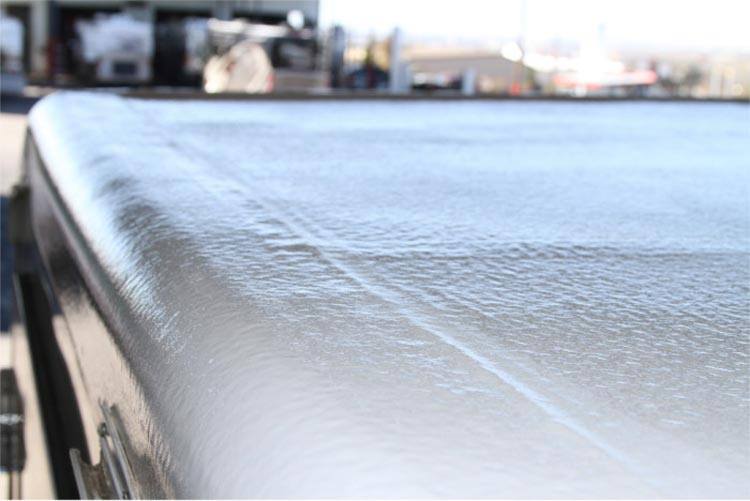
    Polyurea has emerged as the best option for protecting the RV roof. The difference between rubber and fiberglass is that polyurea is applied in a seamlessness and adheres to the surface by being sprayed on. This removes the most common failure points in traditional roofing.

    When applied, polyurea is not prone to cracking, impact or UV degradation. It is flexible enough that it can expand and contract without suffering any adverse effects. The rubber does not degrade over a period of time. It does not have stress fractures as fiberglass. It sticks to vents, edges, and irregular shapes and does not need other adhesives.

    Owners who select polyurea need worry about future maintenance. It is a leak proof solution that is less prone to weaknesses than other solutions. Since it sets quickly, application time is shorter than most replacement methods thus reducing the down time.

  • The Future of RV Roof Technologies: Advanced Solutions for Enhanced Protection

    The Future of RV Roof Technologies: Advanced Solutions for Enhanced Protection

    The demand for dependable roofing options for recreational vehicles (RVs) is on the rise alongside their increasing popularity. Developments in RV roofing are set to revolutionize the industry with improved materials and methods that ensure enhanced durability against elements and prolong the lifespan of these mobile accommodations. Gaining knowledge about these technologies gives a glimpse into how RV enthusiasts will secure their assets in the future.

    RV roofing has seen progress with the advancement of protective coatings recently. While conventional coatings, like rubber or fiberglass, have offered some protection in the past, they have had their drawbacks when it comes to lasting durability and upkeep. Upcoming coatings are set to feature cutting edge materials that deliver top notch performance.

    Polyurea Advancements

    Polyurea is already recognized for its robustness. It is expected to undergo improvements that will boost its ability to withstand UV exposure, harsh temperatures, and wear and tear more effectively. The upcoming wave of polyurethane coatings is set to establish a watertight shield that not repels water intrusion but also adjusts to the continuous shifting and stretching of RV roofs as they journey through diverse weather conditions.

    Self Repairing Coatings

    The coatings are expected to be not only durable but also possess self-repair capabilities where they will incorporate tiny capsules carrying a healing substance that gets activated upon damage to fill in cracks and holes on its own without any manual intervention needed This advancement will guarantee that even minor damages won’t jeopardize the strength of the roof ensuring lasting safeguard, with minimal upkeep required. These special coatings can help RV owners by lowering the need for repairs and saving on costs, in the run. This makes owning an RV more convenient and hassle free.

    Advancements In Spray Technology

    How these advanced coatings are applied will improve well over time. With advancements in spraying technology it will be possible to apply them accurately and evenly making sure that every section of the RV roof gets the right coverage.We can expect automated systems to be created for applying these coatings making the process faster and less prone to mistakes.These improvements will simplify roof maintenance, for RV owners. Help shield their vehicles from leaks and water damage.

    Stronger Roofing Composites

    In the world of RV construction advancements are also being made in the materials used for building RV roofs! While aluminum and rubberized membranes have been options so far but they do have their downsides too! Its predicted that future RV roofs will be made from strong composites that can better withstand the elements, like rain and sun damage! These new materials will be built to last through miles of travel without needing frequent fixes or replacements.

    Nanotechnology

    The future of RV roofing will be significantly influenced by nanotechnology well Researchers are working towards incorporating nanoparticles into roofing materials to improve their protective capabilities These tiny particles can form a surface that repels water and withstands UV radiation at a microscopic level preventing any harm caused by these elements Applying nanotechnology to RV roofs will lead to lighter and thinner materials that excel in maintaining a cool and dry interior environment.

    Smart Technology

    Looking ahead to the future of RV roofing systems beyond material improvements. It’s possible that smart technologies will be seamlessly integrated into these systems too! Imagine being able to keep track of your roofs condition in time through sensors woven into the roofing material itself. Monitoring moisture levels and temperature changes while alert notifications are sent directly to your smartphone or control system onboard the RV. By identifying problems, in advance and taking action promptly​ these intelligent systems can prevent any harm before it happens​ keeping the roof in shape and prolong its durability​.

    Environmental Considerations

    The future of RV roofing will be impacted by sustainability as awareness about the environment increases. There will be a shift, towards utilizing eco materials and methods in manufacturing RV roofs. Manufacturers will prioritize reducing the effects of their products by incorporating recycled materials limiting the use of harmful substances and enhancing energy efficiency during production. These eco friendly roofing options will attract conscious customers who aim to lessen their ecological impact while still seeking top notch quality and performance.

    In the coming years we can expect to see a rise in energy use on RV roofs as a growing trend. Solar panels that are built into the structure of the roof will become increasingly popular in providing a power source for RV owners. Thanks to advancements, in technology these panels will be more effective and less noticeable blending in seamlessly with the design of the roof. This integration won’t just power up the RVs systems. Also enhance the roofs durability by shielding it from environmental factors.

    In the future of us lies the possibility of modular roofing systems coming to fruition for RV owners! These innovative systems could enable owners to enhance or swap out specific sections of their roofs without the hassle of a complete overhaul being necessary. The concept, behind these systems involves creating structures that can be swiftly installed and removed with ease. Simplifying the process of roof maintenance and offering customization options tailored to the owners preferences. People who own RVs and travel, in climates would find it useful to be able to switch out roofing materials or components to better adapt to different weather conditions.

    To sum up¸ the upcoming developments in RV roof technology are set to enhance durability¸ functionality¸ and sustainability significantly¸ paving the way for advanced protective coatings¸ cutting edge materials science¸ nanotechnology applications¸ and intelligent systems that will provide RV enthusiasts with notch roofing options, for enhanced protection and ease of use. In the coming years as technology advances further and further ahead 📈🔮✨ the roofs of vehicles (RVs) are expected to become sturdier 💪🏼💼🔨 simpler to take care of 🧼🔧👩‍🔧 and better prepared to meet the challenges of contemporary travel 🌍✈️⛺️. This will help ensure that RVs continue to serve as safe homes, on wheels for many more years 🏡🚐💫.

  • Selecting the Top RV Roof Coating; Why Polyurea Stands Out

    Selecting the Top RV Roof Coating; Why Polyurea Stands Out

    When caring for your RV, paying attention to the roof is crucial. The right coating can shield your RV from conditions, prolong its lifespan, and reduce repair costs. Knowing your choices helps you make a decision. Among the options available, polyurea is chosen for several compelling reasons.

    To begin with, let’s look at the options for RV roof coatings. Acrylic coatings are favored for their ease of application and affordability. They are effective in reflecting sunlight, thus helping to maintain an environment. However, acrylic coatings have limitations as they wear out and require reapplication. Their performance under weather conditions is also less than satisfactory.

    Silicone coatings represent another option. Silicone boasts water and UV resistance, making it suitable for RVs exposed to weather conditions. Despite these advantages, silicone coatings have downsides, such as being prone to dirt and dust accumulation, which can impact both appearance and effectiveness. Moreover, applying and repairing silicone coatings can be more challenging.

    EPDM rubber coatings are also widely utilized in the industry. These coatings offer flexibility and durability while providing protection against the elements. EPDM rubber is known for its resistance to UV rays and temperature fluctuations.
    However, the process of applying it can be quite time-consuming. EPDM coatings may also need upkeep to maintain their quality.

    Another option to consider is coating. These coatings are well known for their durability and ability to provide protection against weathering and physical harm. They adhere effectively to surfaces and resist cracking and peeling. Yet polyurethane coatings tend to be pricier and may require application for optimal results.

    On the other hand, polyurea outperforms these choices in key aspects. This advanced coating technology offers durability and protection. It bonds effectively to surfaces, forming a waterproof barrier, making it an ideal option for RV roofs that face various environmental challenges.

    A notable advantage of polyurea is its curing time. Once applied, polyurea dries rapidly, significantly reducing downtime. This feature is especially beneficial for RV owners looking to hit the road. Additionally, the curing process helps minimize the risk of dust or debris contaminating the coating during application.

    Polyurea exhibits resistance against impacts, abrasions, and chemicals, making it a sturdy choice for RV roofs exposed to conditions. Whether dealing with falling branches, hailstorms, or chemical spills, polyurea ensures protection. The durability of polyurea leads to long-term cost savings since repairs and replacements will be required.

    One significant advantage of polyurea is its flexibility. It can contract with temperature variations without cracking or peeling, ensuring the coating’s longevity in harsh weather conditions. Its flexibility also allows it to adapt to an RV’s movements and vibrations during travel.

    Polyureas’ waterproof properties are unmatched. They form a membrane that prevents water seepage and protects the RV interior from leaks and water damage. This is crucial for preserving the RV’s structure and comfort, as water damage can result in repairs and impact the vehicle’s lifespan.

    Additionally, polyurea boasts UV resistance, unlike coatings that degrade under UV exposure over time. Polyurea’s ability to resist UV degradation safeguards the RV roof from sun damage, keeping the vehicle cooler and extending the coating’s lifespan.

    Polyurea application necessitates equipment and expertise to ensure application, for optimal performance. While this may seem like a downside, the benefits of applied polyurea outweigh the investment significantly.
    The outcome is a resilient coating that provides excellent protection.

    Polyurea coatings are relatively easy to maintain compared to other choices. They don’t need reapplication and can handle regular cleaning and minor touch-ups. This simplicity in upkeep contributes to the cost-effectiveness of using polyurea as an RV roof coating.

    When selecting a roof coating for your RV, take into account your vehicle’s requirements and the challenges it will encounter. Polyurea is the choice because of its strength, flexibility, quick curing time, and outstanding protective qualities. Investing in a polyurea coating guarantees that your RV stays in condition, offering peace of mind and long-term savings.

    In summary, though there are options for RV roof coatings, polyurea provides the most extensive protection. Its unique blend of attributes makes it the preferred option for RV owners seeking to protect their investments. With polyurea, you can confidently tackle whatever lies ahead on the road, knowing that your RV roof is well shielded against elements.