Category: RV Roof Coatings

  • RV Roof Repair and Replacement: Finding the Best Option for Long-Term Protection

    RV Roof Repair and Replacement: Finding the Best Option for Long-Term Protection

    The elements cause a lot of stress on the RV roofs. The main factors that lead to the degradation of materials are sun rays, temperature fluctuations, and road shocks. The cracks, leaks, and other deteriorations make people think about the need for repair or even replacement. Not all roofing materials are the same and this has a direct impact on the life, care and protection of the structure. Classical materials such as rubber and fiberglass have been used in the industry for many years, but new coatings such as polyurea are much stronger and more effective.

    This paper aims to discuss the causes of damage to RV roofs, the types of damage and the prevention measures that can be taken. An RV roof is a barrier that protects all the vehicle’s components, including the interior, from water and other pollutants. If the roof has cracks or weak areas, water will get in and cause rot, mildew, and insulation failure. A small leak can be devastating if it is not addressed before it becomes a big problem since it weakens the roof’s structure. This is so as to prevent costly repairs that may be incurred as a result of damages that have occurred in the interior compartment.

    Some owners try to solve the problem quickly, using sealants or patchwork kits, but such solutions are unreliable when it comes to long-term use. It is important to know what type of material is available and what they can withstand in order to carry out the right repair or replacement.

    Rubber Roofing: Flexibility and Maintenance


    The least expensive rubber based EPDM and TPO roofing systems are quite flexible. EPDM is a kind of synthetic rubber that is stretched across the roof and is resistant to minor impacts. TPO is a stronger and more rigid material based on thermoplastic which reflects sunlight to keep the internal temperature low. Both of the materials are lighter than other materials which is an advantage in terms of fuel economy.

    Nevertheless, the rubber roof needs care. It cracks, shrinks and separates at the seams over time. It leaks when it is exposed to the sun. There are glues that can prolong the life of the product, but it still needs to be checked regularly. Most RV owners replace the rubber roofs because of the wear and tear.

    Fiberglass Roofing: Strength with Limitations


    Fiberglass is better than rubber because it is more durable. It is more resistant to punctures and dents than flexible membranes. Some manufacturers form the fiberglass roofs in one piece which reduces the number of seams and possible leaks. One difference between rubber and fiberglass is that the latter does not stretch or shrink with changes in temperature.

    However, there is a drawback to fiberglass roofing. It develops stress fractures in conditions of severe weather changes, particularly when used in cold climates. The repair can be quite intricate and may require certain products. When cracks occur, water gets in, and sometimes, the entire roof has to be replaced instead of just repairing the damage.

    Polyurea Coatings: Seamless, Long-Lasting Protection


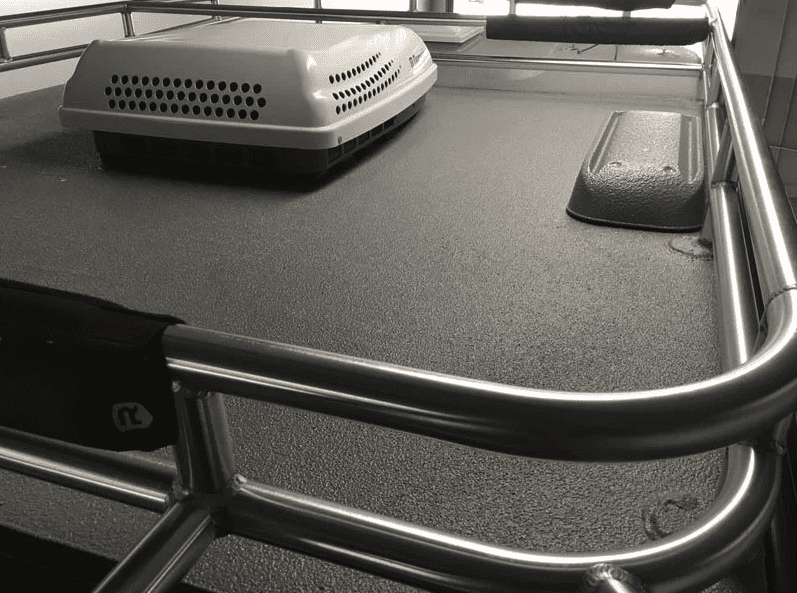
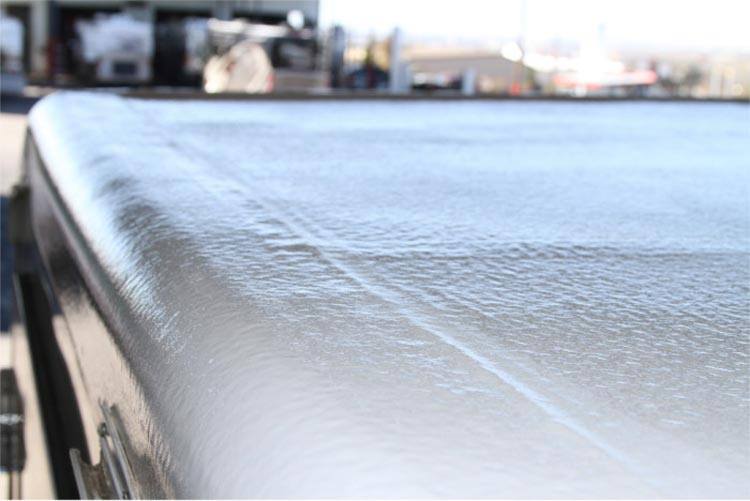
    Polyurea has emerged as the best option for protecting the RV roof. The difference between rubber and fiberglass is that polyurea is applied in a seamlessness and adheres to the surface by being sprayed on. This removes the most common failure points in traditional roofing.

    When applied, polyurea is not prone to cracking, impact or UV degradation. It is flexible enough that it can expand and contract without suffering any adverse effects. The rubber does not degrade over a period of time. It does not have stress fractures as fiberglass. It sticks to vents, edges, and irregular shapes and does not need other adhesives.

    Owners who select polyurea need worry about future maintenance. It is a leak proof solution that is less prone to weaknesses than other solutions. Since it sets quickly, application time is shorter than most replacement methods thus reducing the down time.
  • The Future of RV Roof Technologies: Advanced Solutions for Enhanced Protection

    The Future of RV Roof Technologies: Advanced Solutions for Enhanced Protection

    The demand for dependable roofing options for recreational vehicles (RVs) is on the rise alongside their increasing popularity. Developments in RV roofing are set to revolutionize the industry with improved materials and methods that ensure enhanced durability against elements and prolong the lifespan of these mobile accommodations. Gaining knowledge about these technologies gives a glimpse into how RV enthusiasts will secure their assets in the future.

    RV roofing has seen progress with the advancement of protective coatings recently. While conventional coatings, like rubber or fiberglass, have offered some protection in the past, they have had their drawbacks when it comes to lasting durability and upkeep. Upcoming coatings are set to feature cutting edge materials that deliver top notch performance.

    Polyurea Advancements

    Polyurea is already recognized for its robustness. It is expected to undergo improvements that will boost its ability to withstand UV exposure, harsh temperatures, and wear and tear more effectively. The upcoming wave of polyurethane coatings is set to establish a watertight shield that not repels water intrusion but also adjusts to the continuous shifting and stretching of RV roofs as they journey through diverse weather conditions.

    Self Repairing Coatings

    The coatings are expected to be not only durable but also possess self-repair capabilities where they will incorporate tiny capsules carrying a healing substance that gets activated upon damage to fill in cracks and holes on its own without any manual intervention needed This advancement will guarantee that even minor damages won’t jeopardize the strength of the roof ensuring lasting safeguard, with minimal upkeep required. These special coatings can help RV owners by lowering the need for repairs and saving on costs, in the run. This makes owning an RV more convenient and hassle free.

    Advancements In Spray Technology

    How these advanced coatings are applied will improve well over time. With advancements in spraying technology it will be possible to apply them accurately and evenly making sure that every section of the RV roof gets the right coverage.We can expect automated systems to be created for applying these coatings making the process faster and less prone to mistakes.These improvements will simplify roof maintenance, for RV owners. Help shield their vehicles from leaks and water damage.

    Stronger Roofing Composites

    In the world of RV construction advancements are also being made in the materials used for building RV roofs! While aluminum and rubberized membranes have been options so far but they do have their downsides too! Its predicted that future RV roofs will be made from strong composites that can better withstand the elements, like rain and sun damage! These new materials will be built to last through miles of travel without needing frequent fixes or replacements.

    Nanotechnology

    The future of RV roofing will be significantly influenced by nanotechnology well Researchers are working towards incorporating nanoparticles into roofing materials to improve their protective capabilities These tiny particles can form a surface that repels water and withstands UV radiation at a microscopic level preventing any harm caused by these elements Applying nanotechnology to RV roofs will lead to lighter and thinner materials that excel in maintaining a cool and dry interior environment.

    Smart Technology

    Looking ahead to the future of RV roofing systems beyond material improvements. It’s possible that smart technologies will be seamlessly integrated into these systems too! Imagine being able to keep track of your roofs condition in time through sensors woven into the roofing material itself. Monitoring moisture levels and temperature changes while alert notifications are sent directly to your smartphone or control system onboard the RV. By identifying problems, in advance and taking action promptly​ these intelligent systems can prevent any harm before it happens​ keeping the roof in shape and prolong its durability​.

    Environmental Considerations

    The future of RV roofing will be impacted by sustainability as awareness about the environment increases. There will be a shift, towards utilizing eco materials and methods in manufacturing RV roofs. Manufacturers will prioritize reducing the effects of their products by incorporating recycled materials limiting the use of harmful substances and enhancing energy efficiency during production. These eco friendly roofing options will attract conscious customers who aim to lessen their ecological impact while still seeking top notch quality and performance.

    In the coming years we can expect to see a rise in energy use on RV roofs as a growing trend. Solar panels that are built into the structure of the roof will become increasingly popular in providing a power source for RV owners. Thanks to advancements, in technology these panels will be more effective and less noticeable blending in seamlessly with the design of the roof. This integration won’t just power up the RVs systems. Also enhance the roofs durability by shielding it from environmental factors.

    In the future of us lies the possibility of modular roofing systems coming to fruition for RV owners! These innovative systems could enable owners to enhance or swap out specific sections of their roofs without the hassle of a complete overhaul being necessary. The concept, behind these systems involves creating structures that can be swiftly installed and removed with ease. Simplifying the process of roof maintenance and offering customization options tailored to the owners preferences. People who own RVs and travel, in climates would find it useful to be able to switch out roofing materials or components to better adapt to different weather conditions.

    To sum up¸ the upcoming developments in RV roof technology are set to enhance durability¸ functionality¸ and sustainability significantly¸ paving the way for advanced protective coatings¸ cutting edge materials science¸ nanotechnology applications¸ and intelligent systems that will provide RV enthusiasts with notch roofing options, for enhanced protection and ease of use. In the coming years as technology advances further and further ahead 📈🔮✨ the roofs of vehicles (RVs) are expected to become sturdier 💪🏼💼🔨 simpler to take care of 🧼🔧👩‍🔧 and better prepared to meet the challenges of contemporary travel 🌍✈️⛺️. This will help ensure that RVs continue to serve as safe homes, on wheels for many more years 🏡🚐💫.

  • Selecting the Top RV Roof Coating; Why Polyurea Stands Out

    Selecting the Top RV Roof Coating; Why Polyurea Stands Out

    When caring for your RV, paying attention to the roof is crucial. The right coating can shield your RV from conditions, prolong its lifespan, and reduce repair costs. Knowing your choices helps you make a decision. Among the options available, polyurea is chosen for several compelling reasons.

    To begin with, let’s look at the options for RV roof coatings. Acrylic coatings are favored for their ease of application and affordability. They are effective in reflecting sunlight, thus helping to maintain an environment. However, acrylic coatings have limitations as they wear out and require reapplication. Their performance under weather conditions is also less than satisfactory.

    Silicone coatings represent another option. Silicone boasts water and UV resistance, making it suitable for RVs exposed to weather conditions. Despite these advantages, silicone coatings have downsides, such as being prone to dirt and dust accumulation, which can impact both appearance and effectiveness. Moreover, applying and repairing silicone coatings can be more challenging.

    EPDM rubber coatings are also widely utilized in the industry. These coatings offer flexibility and durability while providing protection against the elements. EPDM rubber is known for its resistance to UV rays and temperature fluctuations.
    However, the process of applying it can be quite time-consuming. EPDM coatings may also need upkeep to maintain their quality.

    Another option to consider is coating. These coatings are well known for their durability and ability to provide protection against weathering and physical harm. They adhere effectively to surfaces and resist cracking and peeling. Yet polyurethane coatings tend to be pricier and may require application for optimal results.

    On the other hand, polyurea outperforms these choices in key aspects. This advanced coating technology offers durability and protection. It bonds effectively to surfaces, forming a waterproof barrier, making it an ideal option for RV roofs that face various environmental challenges.

    A notable advantage of polyurea is its curing time. Once applied, polyurea dries rapidly, significantly reducing downtime. This feature is especially beneficial for RV owners looking to hit the road. Additionally, the curing process helps minimize the risk of dust or debris contaminating the coating during application.

    Polyurea exhibits resistance against impacts, abrasions, and chemicals, making it a sturdy choice for RV roofs exposed to conditions. Whether dealing with falling branches, hailstorms, or chemical spills, polyurea ensures protection. The durability of polyurea leads to long-term cost savings since repairs and replacements will be required.

    One significant advantage of polyurea is its flexibility. It can contract with temperature variations without cracking or peeling, ensuring the coating’s longevity in harsh weather conditions. Its flexibility also allows it to adapt to an RV’s movements and vibrations during travel.

    Polyureas’ waterproof properties are unmatched. They form a membrane that prevents water seepage and protects the RV interior from leaks and water damage. This is crucial for preserving the RV’s structure and comfort, as water damage can result in repairs and impact the vehicle’s lifespan.

    Additionally, polyurea boasts UV resistance, unlike coatings that degrade under UV exposure over time. Polyurea’s ability to resist UV degradation safeguards the RV roof from sun damage, keeping the vehicle cooler and extending the coating’s lifespan.

    Polyurea application necessitates equipment and expertise to ensure application, for optimal performance. While this may seem like a downside, the benefits of applied polyurea outweigh the investment significantly.
    The outcome is a resilient coating that provides excellent protection.

    Polyurea coatings are relatively easy to maintain compared to other choices. They don’t need reapplication and can handle regular cleaning and minor touch-ups. This simplicity in upkeep contributes to the cost-effectiveness of using polyurea as an RV roof coating.

    When selecting a roof coating for your RV, take into account your vehicle’s requirements and the challenges it will encounter. Polyurea is the choice because of its strength, flexibility, quick curing time, and outstanding protective qualities. Investing in a polyurea coating guarantees that your RV stays in condition, offering peace of mind and long-term savings.

    In summary, though there are options for RV roof coatings, polyurea provides the most extensive protection. Its unique blend of attributes makes it the preferred option for RV owners seeking to protect their investments. With polyurea, you can confidently tackle whatever lies ahead on the road, knowing that your RV roof is well shielded against elements.